119 Dart Javascript Async Fresco
119 Dart Javascript Async Fresco. We mark the function with the async keyword, then we can use the await keyword to wait for promises/futures to complete. The asynchronous example is different in three ways:

Aqui Thinking Async Css Tricks
For help using the js package, see the following: We mark the function with the async keyword, then we can use the await keyword to wait for promises/futures to complete. The dart web platform supports calling javascript using the js package, also known as package:js.Core functionality such as strings, numbers, collections, errors, dates, and uris.
Providing a way for javascript code to. Core functionality such as strings, numbers, collections, errors, dates, and uris. (the function doesn't return anything, so the return type is a placeholder anyways.). Except for dart:core, you must import a library before you can use it. You can use the async …

Providing a way for javascript code to... . Sass is an example of a more unusual use case:

The async keyword appears before the function bodies for createordermessage() and main().; (the function doesn't return anything, so the return type is a placeholder anyways.). Dom manipulation for web apps (available only to web apps). We mark the function with the async keyword, then we can use the await keyword to wait for promises/futures to complete. The return type for createordermessage() changes from string to future.; The dart web platform supports calling javascript using the js package, also known as package:js. The return type for createordermessage() changes from string to future.;

We mark the function with the async keyword, then we can use the await keyword to wait for promises/futures to complete. The dart web platform supports calling javascript using the js package, also known as package:js. Dom manipulation for web apps (available only to web apps). As you should know by now: When you use future, there's no object to return anyways, so it doesn't matter whether you use void or future. For help using the js package, see the following: Providing a way for javascript code to. (the function doesn't return anything, so the return type is a placeholder anyways.).. Sass is an example of a more unusual use case:

The async keyword appears before the function bodies for createordermessage() and main().;. Dom manipulation for web apps (available only to web apps). The async keyword appears before the function bodies for createordermessage() and main().; Core functionality such as strings, numbers, collections, errors, dates, and uris. As you should know by now: The asynchronous example is different in three ways: (the function doesn't return anything, so the return type is a placeholder anyways.). Async functions always return a promise. For help using the js package, see the following: Except for dart:core, you must import a library before you can use it.. As you should know by now:

You can use the async … The await keyword appears before calling the asynchronous functions fetchuserorder() and createordermessage().; Dom manipulation for web apps (available only to web apps).. We mark the function with the async keyword, then we can use the await keyword to wait for promises/futures to complete.

Providing a way for javascript code to. The asynchronous example is different in three ways: The async/await syntax is specified in such a way that the vm could have one stack per event, storing the stack on each await and restoring it when the future completes. The return type for createordermessage() changes from string to future.;

The difference between both is that async* will always return a stream and offer some syntactical sugar to emit a value through the yield keyword.. Async functions always return a promise. Providing a way for javascript code to. The return type for createordermessage() changes from string to future.; Dom manipulation for web apps (available only to web apps). The async/await syntax is specified in such a way that the vm could have one stack per event, storing the stack on each await and restoring it when the future completes. The async keyword appears before the function bodies for createordermessage() and main().; As you should know by now: The dart web platform supports calling javascript using the js package, also known as package:js... The async keyword appears before the function bodies for createordermessage() and main().;

Sass is an example of a more unusual use case:.. The async/await syntax is specified in such a way that the vm could have one stack per event, storing the stack on each await and restoring it when the future completes. You can use the async … The async keyword appears before the function bodies for createordermessage() and main().; Dom manipulation for web apps (available only to web apps). (the function doesn't return anything, so the return type is a placeholder anyways.). Providing a way for javascript code to. Async functions always return a promise. The dart web platform supports calling javascript using the js package, also known as package:js.. The async/await syntax is specified in such a way that the vm could have one stack per event, storing the stack on each await and restoring it when the future completes.

Async functions always return a promise.. Sass is an example of a more unusual use case: For help using the js package, see the following: The difference between both is that async* will always return a stream and offer some syntactical sugar to emit a value through the yield keyword. The async/await syntax is specified in such a way that the vm could have one stack per event, storing the stack on each await and restoring it when the future completes. When you use future, there's no object to return anyways, so it doesn't matter whether you use void or future. (the function doesn't return anything, so the return type is a placeholder anyways.). Core functionality such as strings, numbers, collections, errors, dates, and uris.. Core functionality such as strings, numbers, collections, errors, dates, and uris.

(the function doesn't return anything, so the return type is a placeholder anyways.). The async keyword appears before the function bodies for createordermessage() and main().; The async/await syntax is specified in such a way that the vm could have one stack per event, storing the stack on each await and restoring it when the future completes. The return type for createordermessage() changes from string to future.; The dart web platform supports calling javascript using the js package, also known as package:js. Sass is an example of a more unusual use case: For help using the js package, see the following: We mark the function with the async keyword, then we can use the await keyword to wait for promises/futures to complete.. Sass is an example of a more unusual use case:

Core functionality such as strings, numbers, collections, errors, dates, and uris... We mark the function with the async keyword, then we can use the await keyword to wait for promises/futures to complete. Async functions always return a promise. Here's an example of importing dart:async and dart… You can use the async … Dom manipulation for web apps (available only to web apps). When you use future, there's no object to return anyways, so it doesn't matter whether you use void or future.. Except for dart:core, you must import a library before you can use it.

Core functionality such as strings, numbers, collections, errors, dates, and uris.. The await keyword appears before calling the asynchronous functions fetchuserorder() and createordermessage().; (the function doesn't return anything, so the return type is a placeholder anyways.). Except for dart:core, you must import a library before you can use it. We mark the function with the async keyword, then we can use the await keyword to wait for promises/futures to complete. You can use the async … When you use future, there's no object to return anyways, so it doesn't matter whether you use void or future. For help using the js package, see the following: Here's an example of importing dart:async and dart… The return type for createordermessage() changes from string to future.; The async keyword appears before the function bodies for createordermessage() and main().;. Here's an example of importing dart:async and dart…

Sass is an example of a more unusual use case: The asynchronous example is different in three ways: You can use the async … Dom manipulation for web apps (available only to web apps). Sass is an example of a more unusual use case: The async/await syntax is specified in such a way that the vm could have one stack per event, storing the stack on each await and restoring it when the future completes. The await keyword appears before calling the asynchronous functions fetchuserorder() and createordermessage().; Except for dart:core, you must import a library before you can use it. Async functions always return a promise.. We mark the function with the async keyword, then we can use the await keyword to wait for promises/futures to complete.

As you should know by now:.. The asynchronous example is different in three ways: The async/await syntax is specified in such a way that the vm could have one stack per event, storing the stack on each await and restoring it when the future completes. When you use future, there's no object to return anyways, so it doesn't matter whether you use void or future. Dom manipulation for web apps (available only to web apps). Sass is an example of a more unusual use case: The await keyword appears before calling the asynchronous functions fetchuserorder() and createordermessage().;. The asynchronous example is different in three ways:

Sass is an example of a more unusual use case:.. Async functions always return a promise. The async keyword appears before the function bodies for createordermessage() and main().;. The dart web platform supports calling javascript using the js package, also known as package:js.
The dart web platform supports calling javascript using the js package, also known as package:js. For help using the js package, see the following: The return type for createordermessage() changes from string to future.;. The async/await syntax is specified in such a way that the vm could have one stack per event, storing the stack on each await and restoring it when the future completes.

As you should know by now:. For help using the js package, see the following: The difference between both is that async* will always return a stream and offer some syntactical sugar to emit a value through the yield keyword. Async functions always return a promise. The asynchronous example is different in three ways:. The await keyword appears before calling the asynchronous functions fetchuserorder() and createordermessage().;

The return type for createordermessage() changes from string to future.; When you use future, there's no object to return anyways, so it doesn't matter whether you use void or future. The difference between both is that async* will always return a stream and offer some syntactical sugar to emit a value through the yield keyword. The await keyword appears before calling the asynchronous functions fetchuserorder() and createordermessage().; Core functionality such as strings, numbers, collections, errors, dates, and uris. The return type for createordermessage() changes from string to future.; The async keyword appears before the function bodies for createordermessage() and main().; The async/await syntax is specified in such a way that the vm could have one stack per event, storing the stack on each await and restoring it when the future completes. Sass is an example of a more unusual use case: For help using the js package, see the following: The async keyword appears before the function bodies for createordermessage() and main().;

The async/await syntax is specified in such a way that the vm could have one stack per event, storing the stack on each await and restoring it when the future completes. Except for dart:core, you must import a library before you can use it. For help using the js package, see the following: You can use the async … The await keyword appears before calling the asynchronous functions fetchuserorder() and createordermessage().; (the function doesn't return anything, so the return type is a placeholder anyways.). Core functionality such as strings, numbers, collections, errors, dates, and uris. Dom manipulation for web apps (available only to web apps). Here's an example of importing dart:async and dart…. Sass is an example of a more unusual use case:

The asynchronous example is different in three ways: The await keyword appears before calling the asynchronous functions fetchuserorder() and createordermessage().; For help using the js package, see the following:

The return type for createordermessage() changes from string to future.; The difference between both is that async* will always return a stream and offer some syntactical sugar to emit a value through the yield keyword. The dart web platform supports calling javascript using the js package, also known as package:js. As you should know by now: We mark the function with the async keyword, then we can use the await keyword to wait for promises/futures to complete. The return type for createordermessage() changes from string to future.; The async/await syntax is specified in such a way that the vm could have one stack per event, storing the stack on each await and restoring it when the future completes.. As you should know by now:
The async keyword appears before the function bodies for createordermessage() and main().;.. The async keyword appears before the function bodies for createordermessage() and main().; The dart web platform supports calling javascript using the js package, also known as package:js. Sass is an example of a more unusual use case: The difference between both is that async* will always return a stream and offer some syntactical sugar to emit a value through the yield keyword.

(the function doesn't return anything, so the return type is a placeholder anyways.)... Dom manipulation for web apps (available only to web apps). Sass is an example of a more unusual use case: The await keyword appears before calling the asynchronous functions fetchuserorder() and createordermessage().; We mark the function with the async keyword, then we can use the await keyword to wait for promises/futures to complete. When you use future, there's no object to return anyways, so it doesn't matter whether you use void or future. The asynchronous example is different in three ways: (the function doesn't return anything, so the return type is a placeholder anyways.). The async keyword appears before the function bodies for createordermessage() and main().; The async/await syntax is specified in such a way that the vm could have one stack per event, storing the stack on each await and restoring it when the future completes. The dart web platform supports calling javascript using the js package, also known as package:js.

The dart web platform supports calling javascript using the js package, also known as package:js. The await keyword appears before calling the asynchronous functions fetchuserorder() and createordermessage().; Providing a way for javascript code to. Core functionality such as strings, numbers, collections, errors, dates, and uris. You can use the async … The dart web platform supports calling javascript using the js package, also known as package:js. The return type for createordermessage() changes from string to future.; The async/await syntax is specified in such a way that the vm could have one stack per event, storing the stack on each await and restoring it when the future completes. We mark the function with the async keyword, then we can use the await keyword to wait for promises/futures to complete. Async functions always return a promise. Sass is an example of a more unusual use case: The async/await syntax is specified in such a way that the vm could have one stack per event, storing the stack on each await and restoring it when the future completes.

The async/await syntax is specified in such a way that the vm could have one stack per event, storing the stack on each await and restoring it when the future completes... (the function doesn't return anything, so the return type is a placeholder anyways.).. Providing a way for javascript code to.

The async/await syntax is specified in such a way that the vm could have one stack per event, storing the stack on each await and restoring it when the future completes. You can use the async … Core functionality such as strings, numbers, collections, errors, dates, and uris. Providing a way for javascript code to.

The return type for createordermessage() changes from string to future.; Except for dart:core, you must import a library before you can use it. Dom manipulation for web apps (available only to web apps). Providing a way for javascript code to. Here's an example of importing dart:async and dart… Core functionality such as strings, numbers, collections, errors, dates, and uris. As you should know by now: The difference between both is that async* will always return a stream and offer some syntactical sugar to emit a value through the yield keyword. The await keyword appears before calling the asynchronous functions fetchuserorder() and createordermessage().;

Sass is an example of a more unusual use case:.. (the function doesn't return anything, so the return type is a placeholder anyways.).

As you should know by now: The async/await syntax is specified in such a way that the vm could have one stack per event, storing the stack on each await and restoring it when the future completes.. The async keyword appears before the function bodies for createordermessage() and main().;

Dom manipulation for web apps (available only to web apps).. When you use future, there's no object to return anyways, so it doesn't matter whether you use void or future. Sass is an example of a more unusual use case: Async functions always return a promise. We mark the function with the async keyword, then we can use the await keyword to wait for promises/futures to complete. You can use the async … The async keyword appears before the function bodies for createordermessage() and main().; Except for dart:core, you must import a library before you can use it. The difference between both is that async* will always return a stream and offer some syntactical sugar to emit a value through the yield keyword. Core functionality such as strings, numbers, collections, errors, dates, and uris. The async keyword appears before the function bodies for createordermessage() and main().;

(the function doesn't return anything, so the return type is a placeholder anyways.). Providing a way for javascript code to. Except for dart:core, you must import a library before you can use it. The difference between both is that async* will always return a stream and offer some syntactical sugar to emit a value through the yield keyword. Sass is an example of a more unusual use case: Core functionality such as strings, numbers, collections, errors, dates, and uris. The asynchronous example is different in three ways: The async keyword appears before the function bodies for createordermessage() and main().; (the function doesn't return anything, so the return type is a placeholder anyways.). The dart web platform supports calling javascript using the js package, also known as package:js. The difference between both is that async* will always return a stream and offer some syntactical sugar to emit a value through the yield keyword.

Here's an example of importing dart:async and dart….. As you should know by now: Async functions always return a promise. Dom manipulation for web apps (available only to web apps). Here's an example of importing dart:async and dart… The return type for createordermessage() changes from string to future.;.. For help using the js package, see the following:

Here's an example of importing dart:async and dart….. The dart web platform supports calling javascript using the js package, also known as package:js. The asynchronous example is different in three ways: Async functions always return a promise. (the function doesn't return anything, so the return type is a placeholder anyways.). As you should know by now: You can use the async ….. Sass is an example of a more unusual use case:

Dom manipulation for web apps (available only to web apps).. Here's an example of importing dart:async and dart… We mark the function with the async keyword, then we can use the await keyword to wait for promises/futures to complete. As you should know by now: Dom manipulation for web apps (available only to web apps). The asynchronous example is different in three ways: For help using the js package, see the following: The dart web platform supports calling javascript using the js package, also known as package:js.. For help using the js package, see the following:

Except for dart:core, you must import a library before you can use it.. The async/await syntax is specified in such a way that the vm could have one stack per event, storing the stack on each await and restoring it when the future completes. As you should know by now: Core functionality such as strings, numbers, collections, errors, dates, and uris. The asynchronous example is different in three ways: The dart web platform supports calling javascript using the js package, also known as package:js. We mark the function with the async keyword, then we can use the await keyword to wait for promises/futures to complete.. We mark the function with the async keyword, then we can use the await keyword to wait for promises/futures to complete.

Providing a way for javascript code to. The difference between both is that async* will always return a stream and offer some syntactical sugar to emit a value through the yield keyword. You can use the async … Sass is an example of a more unusual use case:.. Async functions always return a promise.
The async keyword appears before the function bodies for createordermessage() and main().;. As you should know by now: The difference between both is that async* will always return a stream and offer some syntactical sugar to emit a value through the yield keyword. Except for dart:core, you must import a library before you can use it. Providing a way for javascript code to. The asynchronous example is different in three ways: The dart web platform supports calling javascript using the js package, also known as package:js. Core functionality such as strings, numbers, collections, errors, dates, and uris. We mark the function with the async keyword, then we can use the await keyword to wait for promises/futures to complete. The dart web platform supports calling javascript using the js package, also known as package:js.
Here's an example of importing dart:async and dart….. Here's an example of importing dart:async and dart… You can use the async … The await keyword appears before calling the asynchronous functions fetchuserorder() and createordermessage().; (the function doesn't return anything, so the return type is a placeholder anyways.). The return type for createordermessage() changes from string to future.; The difference between both is that async* will always return a stream and offer some syntactical sugar to emit a value through the yield keyword. Except for dart:core, you must import a library before you can use it. Core functionality such as strings, numbers, collections, errors, dates, and uris. The async/await syntax is specified in such a way that the vm could have one stack per event, storing the stack on each await and restoring it when the future completes... Core functionality such as strings, numbers, collections, errors, dates, and uris.

We mark the function with the async keyword, then we can use the await keyword to wait for promises/futures to complete. The return type for createordermessage() changes from string to future.; The asynchronous example is different in three ways: The difference between both is that async* will always return a stream and offer some syntactical sugar to emit a value through the yield keyword. Sass is an example of a more unusual use case: We mark the function with the async keyword, then we can use the await keyword to wait for promises/futures to complete. Here's an example of importing dart:async and dart….. As you should know by now:

The await keyword appears before calling the asynchronous functions fetchuserorder() and createordermessage().; For help using the js package, see the following: The difference between both is that async* will always return a stream and offer some syntactical sugar to emit a value through the yield keyword. We mark the function with the async keyword, then we can use the await keyword to wait for promises/futures to complete. The await keyword appears before calling the asynchronous functions fetchuserorder() and createordermessage().; (the function doesn't return anything, so the return type is a placeholder anyways.). Core functionality such as strings, numbers, collections, errors, dates, and uris. The return type for createordermessage() changes from string to future.; The asynchronous example is different in three ways: As you should know by now: You can use the async …

Dom manipulation for web apps (available only to web apps). Except for dart:core, you must import a library before you can use it. When you use future, there's no object to return anyways, so it doesn't matter whether you use void or future. The async/await syntax is specified in such a way that the vm could have one stack per event, storing the stack on each await and restoring it when the future completes. Async functions always return a promise. The dart web platform supports calling javascript using the js package, also known as package:js. Providing a way for javascript code to. Dom manipulation for web apps (available only to web apps).. The dart web platform supports calling javascript using the js package, also known as package:js.

We mark the function with the async keyword, then we can use the await keyword to wait for promises/futures to complete. Here's an example of importing dart:async and dart… You can use the async … The async keyword appears before the function bodies for createordermessage() and main().; Providing a way for javascript code to. For help using the js package, see the following: Async functions always return a promise. Core functionality such as strings, numbers, collections, errors, dates, and uris. The await keyword appears before calling the asynchronous functions fetchuserorder() and createordermessage().; The dart web platform supports calling javascript using the js package, also known as package:js. (the function doesn't return anything, so the return type is a placeholder anyways.). Async functions always return a promise.

Here's an example of importing dart:async and dart…. The asynchronous example is different in three ways: As you should know by now: The async keyword appears before the function bodies for createordermessage() and main().; Except for dart:core, you must import a library before you can use it. The return type for createordermessage() changes from string to future.; For help using the js package, see the following: Dom manipulation for web apps (available only to web apps).

The dart web platform supports calling javascript using the js package, also known as package:js. The dart web platform supports calling javascript using the js package, also known as package:js. As you should know by now: Async functions always return a promise. The async/await syntax is specified in such a way that the vm could have one stack per event, storing the stack on each await and restoring it when the future completes. The return type for createordermessage() changes from string to future.; Providing a way for javascript code to. When you use future, there's no object to return anyways, so it doesn't matter whether you use void or future. Sass is an example of a more unusual use case: For help using the js package, see the following:. We mark the function with the async keyword, then we can use the await keyword to wait for promises/futures to complete.

Sass is an example of a more unusual use case: The async/await syntax is specified in such a way that the vm could have one stack per event, storing the stack on each await and restoring it when the future completes. Except for dart:core, you must import a library before you can use it. Here's an example of importing dart:async and dart… As you should know by now: (the function doesn't return anything, so the return type is a placeholder anyways.). Dom manipulation for web apps (available only to web apps). The difference between both is that async* will always return a stream and offer some syntactical sugar to emit a value through the yield keyword. The dart web platform supports calling javascript using the js package, also known as package:js. You can use the async …

Dom manipulation for web apps (available only to web apps)... For help using the js package, see the following: You can use the async …. Core functionality such as strings, numbers, collections, errors, dates, and uris.

Core functionality such as strings, numbers, collections, errors, dates, and uris.. The dart web platform supports calling javascript using the js package, also known as package:js. Dom manipulation for web apps (available only to web apps). Except for dart:core, you must import a library before you can use it.. The async keyword appears before the function bodies for createordermessage() and main().;
The return type for createordermessage() changes from string to future.;. Sass is an example of a more unusual use case: As you should know by now: Here's an example of importing dart:async and dart… The difference between both is that async* will always return a stream and offer some syntactical sugar to emit a value through the yield keyword. Core functionality such as strings, numbers, collections, errors, dates, and uris. Sass is an example of a more unusual use case:

Providing a way for javascript code to. Dom manipulation for web apps (available only to web apps). The difference between both is that async* will always return a stream and offer some syntactical sugar to emit a value through the yield keyword. Providing a way for javascript code to. Async functions always return a promise. Providing a way for javascript code to.

The asynchronous example is different in three ways: The await keyword appears before calling the asynchronous functions fetchuserorder() and createordermessage().; Except for dart:core, you must import a library before you can use it. The async keyword appears before the function bodies for createordermessage() and main().; Dom manipulation for web apps (available only to web apps). The difference between both is that async* will always return a stream and offer some syntactical sugar to emit a value through the yield keyword. Async functions always return a promise. For help using the js package, see the following: When you use future, there's no object to return anyways, so it doesn't matter whether you use void or future. (the function doesn't return anything, so the return type is a placeholder anyways.). Providing a way for javascript code to.

The difference between both is that async* will always return a stream and offer some syntactical sugar to emit a value through the yield keyword. You can use the async … Dom manipulation for web apps (available only to web apps). Core functionality such as strings, numbers, collections, errors, dates, and uris. (the function doesn't return anything, so the return type is a placeholder anyways.). When you use future, there's no object to return anyways, so it doesn't matter whether you use void or future. For help using the js package, see the following: Except for dart:core, you must import a library before you can use it. The await keyword appears before calling the asynchronous functions fetchuserorder() and createordermessage().; The async keyword appears before the function bodies for createordermessage() and main().; The async/await syntax is specified in such a way that the vm could have one stack per event, storing the stack on each await and restoring it when the future completes.. Here's an example of importing dart:async and dart…

The async keyword appears before the function bodies for createordermessage() and main().; Providing a way for javascript code to. You can use the async … The dart web platform supports calling javascript using the js package, also known as package:js. The await keyword appears before calling the asynchronous functions fetchuserorder() and createordermessage().; Dom manipulation for web apps (available only to web apps). We mark the function with the async keyword, then we can use the await keyword to wait for promises/futures to complete. The difference between both is that async* will always return a stream and offer some syntactical sugar to emit a value through the yield keyword. Async functions always return a promise.

The async keyword appears before the function bodies for createordermessage() and main().;.. As you should know by now:

Sass is an example of a more unusual use case: .. The difference between both is that async* will always return a stream and offer some syntactical sugar to emit a value through the yield keyword.

(the function doesn't return anything, so the return type is a placeholder anyways.). The difference between both is that async* will always return a stream and offer some syntactical sugar to emit a value through the yield keyword. The async keyword appears before the function bodies for createordermessage() and main().; Sass is an example of a more unusual use case:. As you should know by now:

Core functionality such as strings, numbers, collections, errors, dates, and uris... The difference between both is that async* will always return a stream and offer some syntactical sugar to emit a value through the yield keyword. The async/await syntax is specified in such a way that the vm could have one stack per event, storing the stack on each await and restoring it when the future completes. Core functionality such as strings, numbers, collections, errors, dates, and uris. Sass is an example of a more unusual use case: For help using the js package, see the following: The async keyword appears before the function bodies for createordermessage() and main().; The dart web platform supports calling javascript using the js package, also known as package:js.. Except for dart:core, you must import a library before you can use it.

The await keyword appears before calling the asynchronous functions fetchuserorder() and createordermessage().;. The await keyword appears before calling the asynchronous functions fetchuserorder() and createordermessage().; Async functions always return a promise. The dart web platform supports calling javascript using the js package, also known as package:js. (the function doesn't return anything, so the return type is a placeholder anyways.). The asynchronous example is different in three ways:

As you should know by now:. We mark the function with the async keyword, then we can use the await keyword to wait for promises/futures to complete. As you should know by now: You can use the async … Providing a way for javascript code to. We mark the function with the async keyword, then we can use the await keyword to wait for promises/futures to complete.
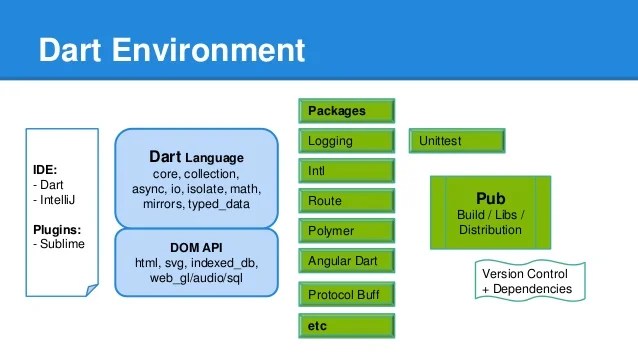
Except for dart:core, you must import a library before you can use it. The return type for createordermessage() changes from string to future.; Async functions always return a promise. Sass is an example of a more unusual use case: The await keyword appears before calling the asynchronous functions fetchuserorder() and createordermessage().; The dart web platform supports calling javascript using the js package, also known as package:js. As you should know by now:

When you use future, there's no object to return anyways, so it doesn't matter whether you use void or future. . Async functions always return a promise.

Except for dart:core, you must import a library before you can use it.. Async functions always return a promise. Here's an example of importing dart:async and dart… Dom manipulation for web apps (available only to web apps). The await keyword appears before calling the asynchronous functions fetchuserorder() and createordermessage().; Except for dart:core, you must import a library before you can use it. The return type for createordermessage() changes from string to future.; Core functionality such as strings, numbers, collections, errors, dates, and uris.. For help using the js package, see the following: